Why Dogs Bark and Bite Some People but Not Others — There’s Always a Reason
Dogs are often called humankind’s best friend, yet even the friendliest dog can sometimes bark, growl, or react aggressively toward certain people. If you’ve ever wondered why dogs seem to single out specific individuals—while ignoring or warmly greeting others—you’re not alone.
The truth is simple: dogs rarely behave aggressively without a trigger. Their actions are based on instincts, past experiences, and subtle signals that humans often overlook.
Here are the real reasons dogs bark or bite some people but not others—and how to avoid being the target.
1. Dogs React to Body Language More Than Words
Dogs communicate primarily through body language. Certain human behaviors can unintentionally signal danger. For example:
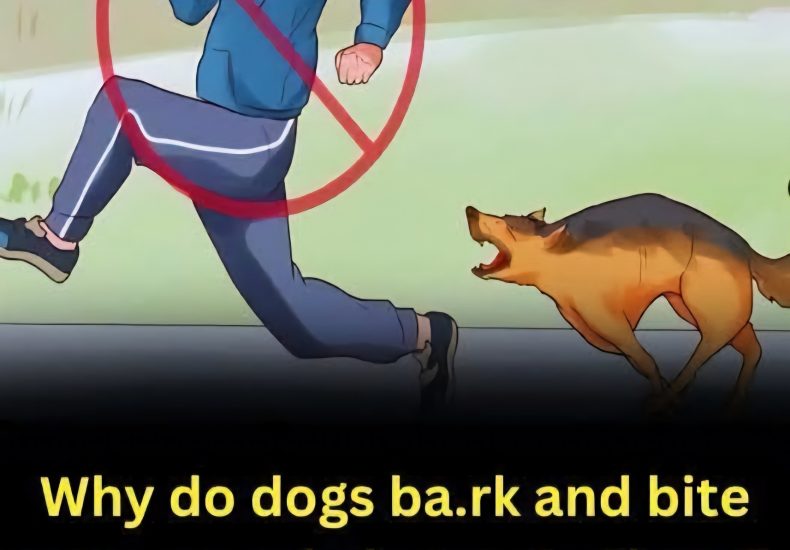
- Running suddenly can trigger a prey drive response.
- Staring directly into a dog’s eyes may be perceived as a threat.
- Approaching too quickly can make a dog feel cornered.
- Towering over a dog can appear intimidating.
Even subtle movements—like tense shoulders, clenched fists, or moving erratically—can cause a dog to bark or defend itself.
2. Dogs Sense Fear and Anxiety
It’s not a myth—dogs can sense fear.
Fear alters your body chemistry. When you’re scared, your adrenaline spikes, your heart rate increases, and your scent changes. Dogs, with their extraordinary noses, detect this immediately.
A nervous person may:
- Walk stiffly
- Avoid eye contact
- Glance repeatedly at the dog
- Hold their breath
- Step backward abruptly
All of these can make a dog more alert or defensive.
3. Past Experiences Influence Their Behavior
Dogs remember.
A dog that had a bad experience with someone resembling you—your height, voice, clothing, gait—may react instinctively. For instance:
- A dog once mistreated by a tall man wearing a cap may bark at other tall men wearing caps.
- A dog previously scared by children may avoid or growl at kids.
- A stray dog chased by joggers may react to anyone running.
Dogs generalize patterns. They aren’t judging individuals—they’re responding to memories.
4. Certain Smells Trigger Dogs
Dogs rely heavily on scent. Some smells can make them uneasy or territorial, such as:
- Strong perfume or cologne
- Alcohol
- Chemical smells (paint, cleaning products)
- Scents associated with other animals
- Fear pheromones
If a person smells unusual to a dog, the dog may bark to signal uncertainty.
5. Protective Instincts Activate Around “Their” People or Territory
Dogs are naturally protective. They may bark or bite if they feel:
- Their home is threatened
- Their owner seems unsafe
- A stranger gets too close to a child
- Someone enters their yard or approaches their car
Even the calmest dog can become a guardian in the right (or wrong) moment.
6. Dogs Pick Up on Human Intentions Quickly
Dogs are incredible at reading micro-expressions—tiny facial cues humans don’t notice.
If someone approaches with:
- Aggression
- Anger
- Fast, purposeful steps
- A raised voice
- Sudden gestures
—many dogs will react instinctively because it feels unsafe.
On the other hand, people who move gently, speak softly, and show calmness often get the dog’s trust.
7. Health Issues Can Change a Dog’s Behavior
A dog that suddenly becomes aggressive may actually be:
- In pain
- Sick
- Stressed
- Overstimulated
- Tired
- Aging or losing vision/hearing
When dogs don’t feel well, they’re more likely to bark or bite—not because of the person, but because of discomfort.
How to Make Dogs Less Likely to Bark or Bite You
Here are simple steps to instantly appear safer to any dog:
✔ Stay calm and relaxed
Dogs read your energy before anything else.
✔ Avoid staring into their eyes
Look at their ears or shoulder instead.
✔ Don’t run
Running can trigger instinctive chasing.
✔ Move slowly and confidently
Sharp, sudden movements can scare dogs.
✔ Let the dog approach you
Don’t force interaction.
✔ Keep your hands low and visible
Hidden hands can make dogs nervous.
✔ Speak softly
Loud voices increase tension.
Final Thoughts
Dogs don’t bark or bite randomly. There is always a reason—fear, instinct, memory, scent, or body language. Understanding these signals helps prevent misunderstandings and keeps both humans and dogs safe.
Once you learn how dogs interpret the world, you’ll notice their reactions make perfect sense. And with the right approach, even a wary dog can become a friendly one.
Leave a Reply